

Winter Roof Leaks in Oklahoma: What Causes Them and How to Prevent Them
By: ABestRoofing • October 20, 2026
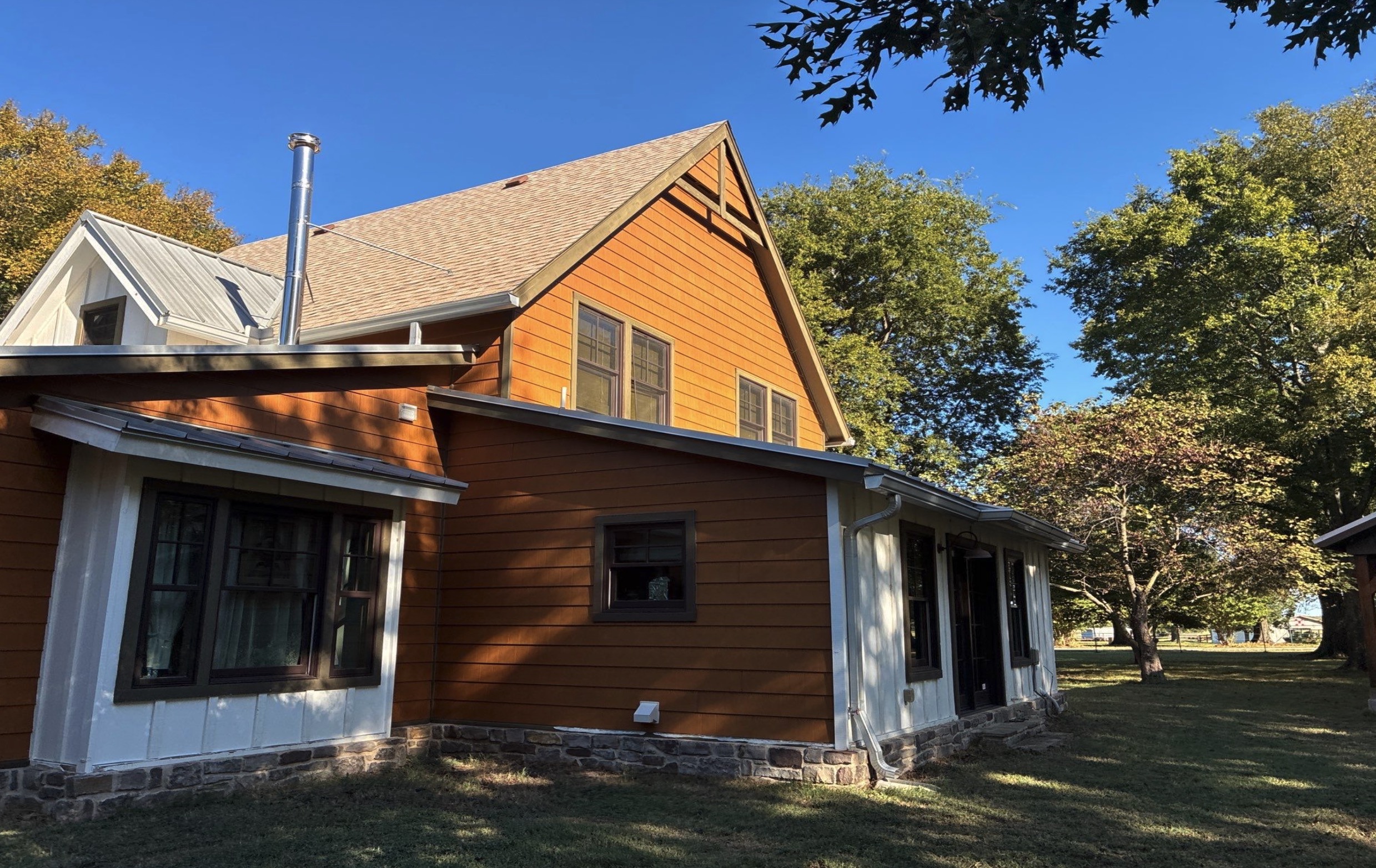
Winter in Oklahoma may not look like winter in Minnesota or Colorado, but Tulsa-area homeowners still deal with freezing temperatures, rain, ice, occasional snow, and plenty of freeze-thaw cycles. Those changing conditions can expose weaknesses in a roof that seemed perfectly fine during the warmer months.
At A-Best Roofing, we often remind homeowners that a roof leak is not necessarily caused by the weather event happening when you notice it. Water may enter through a small weakness that has been developing for months, then finally make its way into the attic or ceiling when winter weather provides the right conditions.
The good news is that many winter roof leaks can be prevented with the right combination of annual maintenance, professional roof inspections, proper ventilation, and attention to flashing and other vulnerable areas.
Here’s what Tulsa-area homeowners should know before winter weather arrives.
Why Winter Weather Can Reveal Roof Problems
Tulsa’s average first occurrence of a 32°F freeze is in early November, according to the National Weather Service’s Tulsa office. That doesn’t mean every winter will follow the average, but it illustrates why roof and attic problems can become more noticeable as temperatures drop.
The important thing is not simply preparing for one big snowstorm. It’s making sure your roof is in good condition before repeated winter weather puts those weaknesses to the test.
Cold weather does not automatically mean your roof will leak. In many cases, winter simply puts additional stress on problems that were already present.
A few examples include:
- – A cracked or deteriorated flashing joint allows water to enter around a chimney.
- – A damaged shingle provides an opening for wind-driven rain.
- – Poor attic ventilation allows excess moisture to accumulate.
- – Leaves and debris interfere with drainage.
- – A small roof penetration gradually deteriorates and becomes more noticeable during repeated wet weather.
- – Freeze-thaw cycles cause water to expand and contract around vulnerable areas.
Where Do Winter Roof Leaks Usually Start?
Finding a water stain on your ceiling does not necessarily tell you where the water entered the roof. Water can travel along decking, rafters, insulation, or other building components before appearing inside the home. That’s one reason professional roof inspections can be valuable when the source of a leak is not obvious.
Several areas deserve particular attention.
Flashing Around Roof Penetrations

Flashing is one of the most important components of a roof’s water-shedding system. Roof flashing helps protect transitions and penetrations around features such as chimneys, vents, skylights, walls, and roof edges. Over time, flashing can corrode, loosen, crack, or separate from adjacent materials. Winter rain can find these openings quickly.
At A-Best Roofing, flashing is something we pay close attention to during roof inspections because a relatively small flashing problem can eventually lead to much larger interior damage.
Damaged or Missing Shingles
A missing shingle is an obvious concern, but less obvious damage can be just as important. Curling, cracked, lifted, or deteriorated shingles may allow water to reach the layers beneath the roof covering. Oklahoma’s combination of summer heat, strong winds, hail, and changing temperatures can gradually wear down roofing materials.
By the time winter arrives, a roof may already have vulnerabilities that are simply waiting for the right weather to expose them.
Roof Valleys

Roof valleys concentrate water from two roof slopes, making proper installation and drainage especially important.
If debris accumulates in a valley or the surrounding roofing materials are damaged, water may not move away from the roof as intended. Heavy rain can then expose the problem quickly.
The image above is from one of our recent roof inspections where the valleys were open and not sealed off as they should. This was allowing water under the shingles, causing roof leaks.
Gutters and Downspouts
Your gutters are part of your roof’s drainage system. Fall leaves and other debris can clog gutters and downspouts, causing water to back up or overflow. In cold weather, standing water can become ice, potentially creating additional drainage problems.
Keeping gutters clear is therefore not just a cosmetic maintenance task. It helps the roof and drainage system handle winter precipitation as intended.
Get Expert Guidance for
Your Roof Replacement
How Attic Ventilation Can Affect Winter Roof Problems
When homeowners think about a roof leak, they usually look outside first. But the attic can provide important clues. An attic that has excessive heat or moisture can create problems for both the home and the roof system.
Proper ventilation helps move moisture and regulate temperatures within the attic. When warm, moist air becomes trapped, condensation can form on colder surfaces. Over time, excess moisture can contribute to damp insulation, wood deterioration, mold growth, and other problems. Poor attic ventilation can also contribute to uneven roof temperatures during cold weather.
The U.S. Department of Energy’s Building Science Education resources explain that proper air sealing, adequate insulation, and attic ventilation can help reduce heat transfer to the roof deck and mitigate conditions associated with ice-dam formation in colder climates.
Tulsa does not experience the same prolonged snow and ice conditions as northern states, so ice dams are not necessarily the primary winter roofing concern here. However, the underlying lesson still matters: the condition of your attic and the condition of your roof are connected.
If you notice condensation, damp insulation, frost, musty odors, or unexplained moisture in the attic, it is worth having the situation evaluated.
Why a Professional Roof Inspection Matters Before Winter

A homeowner can spot some obvious roof problems from the ground. You may notice missing shingles, damaged gutters, or an area that looks visibly different from the rest of the roof. But a professional inspection goes further.
At A-Best Roofing, our inspection process looks at critical interior and exterior areas to help identify the source and extent of roofing problems. We document what we find and explain the options rather than simply telling a homeowner that something needs to be fixed. That distinction matters because not every winter roof leak means you need a new roof.
A professional roof inspection may reveal that the appropriate solution is a relatively small repair, such as replacing damaged shingles, addressing flashing, correcting a drainage issue, or resolving a ventilation concern.
On the other hand, if a roof has widespread deterioration or is approaching the end of its useful life, an inspection can help you make that decision before a winter leak becomes an emergency.
Annual Maintenance Helps Prevent Winter Surprises
Roof maintenance is not just something to think about after a storm. A good maintenance routine gives homeowners an opportunity to identify smaller issues before they become expensive problems.
At A-Best Roofing, we recommend paying particular attention to the roof during the spring and fall. Fall is especially useful because it gives you an opportunity to address problems before winter weather arrives.
You do not need to climb onto your roof to perform every part of this checklist. In fact, homeowners should avoid walking on a roof unless they have the proper training and safety equipment.
A ground-level inspection with binoculars can identify some obvious issues, while a professional can safely evaluate areas that are difficult to see.
A basic maintenance routine should include checking:
- – Shingles for damage, lifting, curling, or missing sections
- – Flashing around chimneys, vents, skylights, and other penetrations
- – Gutters and downspouts for leaves and debris
- – Roof valleys for accumulated debris or drainage problems
- – Attic insulation and ventilation
- – Signs of moisture or water staining inside the attic
- – Areas where previous repairs have been made
*To dive deeper, read our post on the importance of annual roof inspections.
What If You Discover a Leak During Winter?
If you notice a water stain, dripping water, or other signs of an active roof leak during winter, don’t automatically assume the problem can wait until spring.
First, protect the area inside the home and move valuables away from the affected area. If water is near electrical fixtures, take appropriate safety precautions and contact a qualified professional.
If conditions are safe, you can also look in the attic for obvious signs of moisture. Do not attempt to climb onto a wet, icy, or snow-covered roof to investigate the problem yourself.
The sooner the source is identified, the better the opportunity to limit secondary damage.
A small leak can eventually affect insulation, drywall, ceilings, framing, and other components of the home. Addressing the roofing problem early can help keep a repair from becoming a much larger project.
Winter Roof Leaks Are Often a Year-Round Problem
One of the most important things to understand about winter roof leaks is that the underlying cause may have developed long before winter.
A roof exposed to Oklahoma’s summer heat and severe storms can accumulate wear throughout the year. Fall leaves can create drainage problems. Small flashing defects can gradually worsen. Ventilation issues can persist unnoticed. Then winter arrives and the homeowner sees the result.
That is why we encourage Tulsa-area homeowners to think about roof care as an ongoing process rather than a seasonal emergency.
- – Fall maintenance helps prepare the roof.
- – Professional inspections identify problems that may be easy to miss.
- – Proper ventilation helps manage attic temperature and moisture.
- – Well-maintained flashing protects vulnerable roof transitions.
- – Prompt repairs keep small problems from becoming major leaks.
Each serves a different purpose, but together they provide a much better approach to protecting your roof.
When Should You Schedule a Roof Inspection?
If your roof is relatively new and has been well maintained, you may simply need routine inspections and maintenance.
If your roof is older, has experienced recent storm damage, or has developed signs of leaking, an inspection becomes more important.
An inspection does not automatically mean a roof replacement is necessary. In many cases, the purpose is simply to understand the roof’s current condition and address problems while they are manageable.
You should consider scheduling a professional roof inspection if you notice:
- – Water stains on ceilings or walls
- – Dampness or staining in the attic
- – Missing, cracked, or lifted shingles
- – Damaged or deteriorated flashing
- – Sagging areas
- – Repeated gutter overflow
- – Condensation or unusual moisture in the attic
- – A leak that appears during or after rain
- – Previous storm damage that has not been professionally evaluated
Keep Your Tulsa Roof Ready for Winter

Oklahoma winters can be unpredictable, but homeowners do not have to wait for a leak to find out whether their roof is ready.
Regular maintenance, attention to flashing and drainage, proper attic ventilation, and periodic professional inspections can all help keep your roofing system performing properly through the colder months.
At A-Best Roofing, we work with Tulsa-area homeowners to inspect, maintain, repair, and replace roofs based on their actual condition. If you have noticed signs of a winter roof leak or simply want to know whether your roof is ready for another Oklahoma winter, a professional inspection can give you a clearer picture of what needs attention.
Taking care of a small roofing issue before winter is usually much easier than dealing with the consequences after water has made its way inside.

About the Author
Ray Trimble
General Manager at A-Best Roofing
Ray Trimble is the General Manager at A-Best Roofing, a Tulsa-based residential and commercial roofing company with more than 35 years of experience serving Oklahoma property owners. He helps oversee roofing operations and the company’s commitment to quality workmanship, clear communication, and dependable customer service.
A-Best Roofing has completed more than 40,000 roofing projects and works with leading manufacturers, including Owens Corning, GAF, and CertainTeed. The company is an Owens Corning Platinum Preferred Contractor, GAF PlatinumElite™ Commercial Contractor, GAF Master Elite® contractor, and CertainTeed SELECT Shingle Master. It is also a GAF CoatingsPro™+ Liquid Applied Roofing Contractor.
Ray helps homeowners, business owners, and property managers make informed decisions about roof repairs, replacements, maintenance, storm damage, and commercial roofing systems throughout the Tulsa area.